


 Notification



 Master


This blog explains how modern workplaces are adopting mobile, remote, and on-demand learning to make training more flexible and accessible. It shows how employees can learn anytime and anywhere using smartphones, virtual sessions, and learning libraries. By making learning available at the moment, organizations can help employees build skills more effectively and support continuous growth.
Imagine this situation. A project manager is preparing for an important client meeting scheduled in the next hour. During preparation, they realize they need a quick refresher on negotiation techniques discussed in a leadership training program months ago. Earlier, this would have meant searching through notes or waiting for another training session. Today, they simply open a learning app on their phone, watch a five-minute module, and walk confidently into the meeting.
This is how learning is changing in modern workplaces.
Corporate learning is no longer limited to classrooms, fixed schedules, or long workshops. Employees today need learning that supports real work situations – learning that is available anytime, anywhere. Mobile, remote, and on-demand training are helping organizations move toward this new approach called learning without limits.
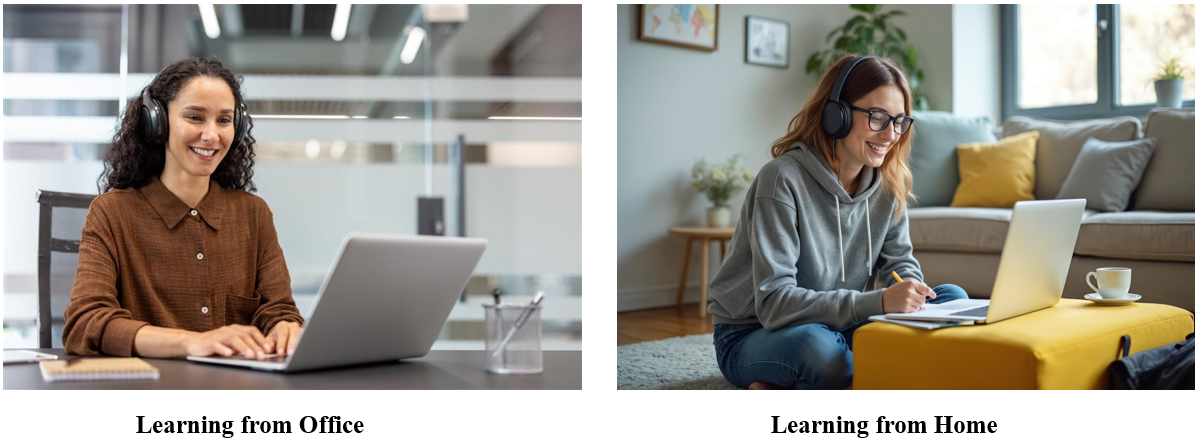
From Scheduled Training to Continuous Learning
Traditional corporate training often required employees to step away from their daily responsibilities. Sessions had fixed timings, limited seats, and sometimes required travel. While these programs helped build knowledge, they were not always practical for fast-paced business environments.
Today’s organizations operate across different locations and time zones. Teams work remotely, travel frequently, and manage tight deadlines. Learning therefore needs to fit naturally into the workday.
Continuous learning allows employees to access knowledge when they actually need it. Instead of learning once and forgetting later, employees can revisit content and apply it immediately at work.
Mobile Learning: Learning That Moves with Employees
Mobile learning has made training more accessible than ever. Most professionals already use smartphones throughout the day, making mobile devices a powerful learning platform.
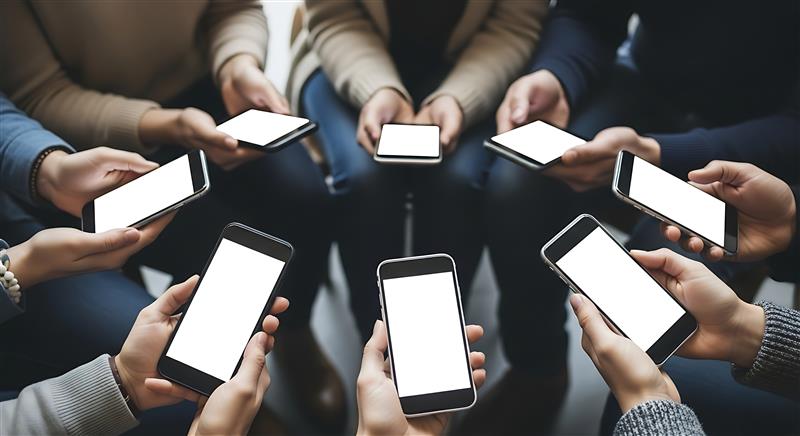
Short lessons, quick videos, job aids, and knowledge checks can be accessed during small breaks or while traveling between meetings.
Mobile-friendly learning helps organizations by:
- Supporting quick skill updates.
- Improving learning completion rates.
- Providing support at the moment of need.
For example, a customer support executive can quickly review product updates before handling customer queries. Learning becomes practical rather than theoretical.
Remote Learning: Bringing Teams Together Anywhere
Remote learning has become essential as organizations adopt hybrid and distributed work models. Virtual classrooms, live webinars, and collaborative platforms allow employees to learn together without being in the same location.
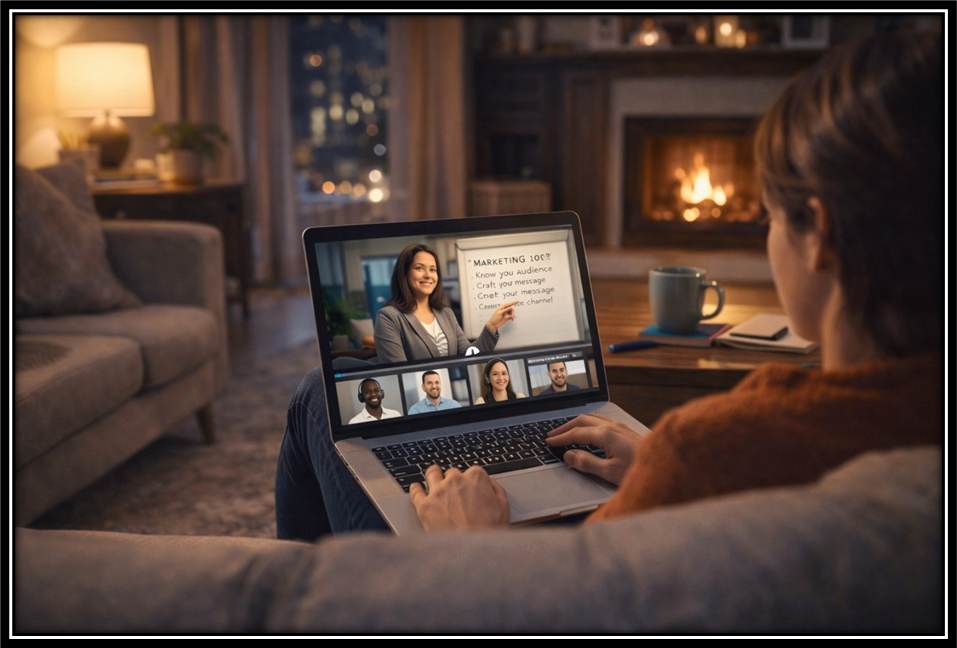
This approach offers several advantages:
- Training consistency across offices and regions.
- Reduced travel and operational costs.
- Easy access to subject matter experts.
Remote learning also encourages collaboration. Employees can ask questions, participate in discussions, and share real workplace experiences during sessions.
For global organizations, this ensures that everyone receives the same learning opportunities regardless of location.
On-Demand Learning: Knowledge When It Is Needed Most
One of the biggest improvements in modern learning is on-demand access.
Employees no longer have to wait for scheduled programs. Training materials such as recorded sessions, learning libraries, and short modules are available whenever required.

On-demand learning allows employees to:
- Learn at their own pace.
- Revisit complex topics.
- Apply knowledge immediately in real situations.
For example, a new manager facing performance review discussions can quickly access guidance modules before meeting their team members.
This just-in-time learning improves both confidence and performance.
Designing Flexible Learning Experiences
Adopting flexible learning requires thoughtful design. Organizations must focus on creating content that supports busy professionals.
Some effective strategies include:
- Keep learning short and focused – Microlearning works well for employees managing multiple responsibilities.
- Design for multiple devices – Courses should work smoothly on mobile phones, tablets, and laptops.
- Support self-paced learning – Employees should be able to pause and continue learning anytime.
- Ensure accessibility and simplicity – Clear language, captions, and easy navigation help everyone learn comfortably.
- Use real workplace scenarios – Practical examples improve engagement and make learning meaningful.
When learning reflects real challenges employees face daily, adoption naturally increases.
Conclusion
Workplaces are evolving rapidly, and learning must evolve with them. Employees today expect learning experiences that are flexible, practical, and easy to access.
Mobile learning supports learning on the go. Remote training connects teams across locations. On-demand learning ensures knowledge is available exactly when it is needed.
Organizations that embrace learning without limits create a culture where development becomes part of everyday work – not an interruption to it.
In the end, the goal is simple: when employees can learn anytime and anywhere, organizations grow faster, adapt better, and stay ready for what comes next.
Imagine this situation. A project manager is preparing for an important client meeting scheduled in the next hour. During preparation, they realize they need a quick refresher on negotiation techniques discussed in a leadership training program months ago. Earlier, this would have meant searching through notes or waiting for another training session. Today, they simply open a learning app on their phone, watch a five-minute module, and walk confidently into the meeting.
This is how learning is changing in modern workplaces.
Corporate learning is no longer limited to classrooms, fixed schedules, or long workshops. Employees today need learning that supports real work situations – learning that is available anytime, anywhere. Mobile, remote, and on-demand training are helping organizations move toward this new approach called learning without limits.
From Scheduled Training to Continuous Learning
Traditional corporate training often required employees to step away from their daily responsibilities. Sessions had fixed timings, limited seats, and sometimes required travel. While these programs helped build knowledge, they were not always practical for fast-paced business environments.
Today’s organizations operate across different locations and time zones. Teams work remotely, travel frequently, and manage tight deadlines. Learning therefore needs to fit naturally into the workday.
Continuous learning allows employees to access knowledge when they actually need it. Instead of learning once and forgetting later, employees can revisit content and apply it immediately at work.
Mobile Learning: Learning That Moves with Employees
Mobile learning has made training more accessible than ever. Most professionals already use smartphones throughout the day, making mobile devices a powerful learning platform.
Short lessons, quick videos, job aids, and knowledge checks can be accessed during small breaks or while traveling between meetings.
Mobile-friendly learning helps organizations by:
- Supporting quick skill updates.
- Improving learning completion rates.
- Providing support at the moment of need.
For example, a customer support executive can quickly review product updates before handling customer queries. Learning becomes practical rather than theoretical.
Remote Learning: Bringing Teams Together Anywhere
Remote learning has become essential as organizations adopt hybrid and distributed work models. Virtual classrooms, live webinars, and collaborative platforms allow employees to learn together without being in the same location.
This approach offers several advantages:
- Training consistency across offices and regions.
- Reduced travel and operational costs.
- Easy access to subject matter experts.
Remote learning also encourages collaboration. Employees can ask questions, participate in discussions, and share real workplace experiences during sessions.
For global organizations, this ensures that everyone receives the same learning opportunities regardless of location.
On-Demand Learning: Knowledge When It Is Needed Most
One of the biggest improvements in modern learning is on-demand access.
Employees no longer have to wait for scheduled programs. Training materials such as recorded sessions, learning libraries, and short modules are available whenever required.
On-demand learning allows employees to:
- Learn at their own pace.
- Revisit complex topics.
- Apply knowledge immediately in real situations.
For example, a new manager facing performance review discussions can quickly access guidance modules before meeting their team members.
This just-in-time learning improves both confidence and performance.
Designing Flexible Learning Experiences
Adopting flexible learning requires thoughtful design. Organizations must focus on creating content that supports busy professionals.
Some effective strategies include:
- Keep learning short and focused – Microlearning works well for employees managing multiple responsibilities.
- Design for multiple devices – Courses should work smoothly on mobile phones, tablets, and laptops.
- Support self-paced learning – Employees should be able to pause and continue learning anytime.
- Ensure accessibility and simplicity – Clear language, captions, and easy navigation help everyone learn comfortably.
- Use real workplace scenarios – Practical examples improve engagement and make learning meaningful.
When learning reflects real challenges employees face daily, adoption naturally increases.
Conclusion
Workplaces are evolving rapidly, and learning must evolve with them. Employees today expect learning experiences that are flexible, practical, and easy to access.
Mobile learning supports learning on the go. Remote training connects teams across locations. On-demand learning ensures knowledge is available exactly when it is needed.
Organizations that embrace learning without limits create a culture where development becomes part of everyday work – not an interruption to it.
In the end, the goal is simple: when employees can learn anytime and anywhere, organizations grow faster, adapt better, and stay ready for what comes next.
You must be logged in to post a comment.

- Most Recent
- Most Relevant


